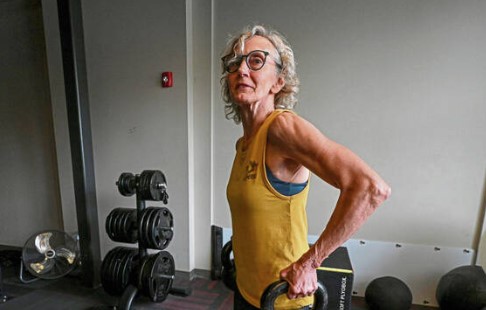
Why Mobility Matters for Older Cancer Survivors
Spotlight on Mobility and Independence for Older Cancer Survivors
Introduction
Cancer survival is a powerful achievement, especially for older adults who face the physical, emotional, and lifestyle changes that come with treatment and recovery. As the number of senior cancer survivors continues to grow, one important focus is becoming increasingly clear: maintaining mobility and independence is essential for long-term well-being.
Many older adults want to remain active, self-sufficient, and engaged with the world around them after cancer treatment. However, lingering symptoms such as fatigue, muscle weakness, pain, balance challenges, or emotional stress can make mobility more difficult. With the right support—especially from compassionate professionals like Afair Healthcare caregivers—older cancer survivors can continue to live safely, confidently, and independently.
Why Mobility Matters for Older Cancer Survivors
Mobility affects almost every part of daily life. After cancer treatment, staying mobile supports the body and mind in several key ways:
1. Improved Physical Strength
Regular movement helps rebuild muscles, increase stamina, and support healthy circulation.
2. Reduced Risk of Falls
Balance issues and weakness are common after treatment. Staying active helps prevent falls and injuries.
3. Better Emotional Health
Physical activity releases mood-boosting hormones that decrease anxiety and improve confidence.
4. Enhanced Independence
Staying mobile helps seniors continue daily activities—walking, cooking, dressing, shopping, and participating in hobbies.
5. Increased Social Engagement
Being able to move safely allows seniors to visit friends, attend appointments, and stay connected to their communities.
For older cancer survivors, mobility is not just about movement — it is about the freedom to live life on their own terms.
Common Mobility Challenges After Cancer Treatment
Cancer treatment affects everyone differently, but seniors often face similar obstacles during recovery:
1. Fatigue and Low Energy
One of the most common lingering effects, making simple tasks feel exhausting.
2. Muscle Weakness
Radiation, chemotherapy, and long periods of rest can lead to decreased strength.
3. Neuropathy
Numbness or tingling in the hands or feet can make walking difficult and increase fall risk.
4. Balance Issues
Changes in vision, medication side effects, or vestibular problems can affect stability.
5. Joint Stiffness and Pain
Limited range of motion can slow down mobility and daily movements.
6. Emotional Concerns
Fear of falling, fear of recurrence, depression, or anxiety may cause seniors to avoid activity.
Understanding these challenges is key to building a safe, supportive mobility routine for older survivors.
Ways to Support Mobility and Independence in Senior Cancer Survivors
1. Encourage Gentle Daily Movement
Even small amounts of activity—like slow walks, stretching, or chair exercises—can significantly improve strength and confidence.
2. Promote a Safe Home Environment
Simple changes make a big difference:
Removing clutter
Adding grab bars
Improving lighting
Using non-slip mats
3. Support Balance and Coordination
Activities such as light yoga, tai chi, or supervised balance routines can help reduce fall risks.
4. Provide Emotional Motivation
Kind words, encouragement, and companionship help seniors regain confidence in their bodies.
5. Help With Energy Conservation
Pacing activities, planning rest breaks, and simplifying routines can prevent exhaustion.
6. Monitor Changes and Respond Early
Any changes in mobility, pain, or fatigue should be addressed promptly to avoid further decline.
How Afair Healthcare Caregivers Support Mobility and Independence
Afair Healthcare caregivers specialize in providing compassionate, personalized care to older cancer survivors. Their support empowers seniors to stay active, safe, and independent throughout recovery.
1. Hands-On Mobility and Transfer Assistance
Caregivers help seniors move safely by assisting with:
Walking
Standing
Transfers from bed to chair
Bathroom mobility
This reduces fall risk and builds confidence.
2. Encouragement for Light Exercise
Caregivers gently motivate seniors to stay active with:
Guided movement routines
Short walks
Stretching exercises
Physician-approved activities
Consistency is key—and caregivers help make that possible.
3. Safety and Fall Prevention at Home
Afair caregivers ensure the environment is safe by:
Removing hazards
Assisting on stairs
Organizing living spaces
Monitoring tripping risks
This ensures seniors can move around their homes with confidence.
4. Assistance With Daily Living Tasks
Mobility challenges can make simple tasks daunting. Caregivers help with:
Bathing and grooming
Dressing
Meal prep
Light housekeeping
Laundry
Transportation
This allows seniors to conserve energy while maintaining independence.
5. Emotional and Social Support
Recovery from cancer is both physical and emotional. Caregivers provide companionship, reassurance, and encouragement—helping seniors feel supported, valued, and confident.
6. Meal Preparation and Hydration Support
Good nutrition fuels mobility. Caregivers prepare balanced meals and remind seniors to stay hydrated, supporting energy and overall health.
7. Monitoring Mobility Changes
Caregivers watch for signs of:
Increased weakness
Pain
Fatigue
Fall risk
Changes in gait
Concerns are shared with families or healthcare providers for fast intervention.
Why Supporting Mobility Matters for Cancer Survivors
Mobility is more than movement—it represents:
Freedom
Independence
Confidence
Emotional well-being
Quality of life
For older cancer survivors, regaining mobility is a major step in reclaiming life after treatment. With the right support system, seniors can continue enjoying activities, time with loved ones, and daily routines that bring meaning and joy.
Conclusion
Shining a spotlight on mobility and independence for older cancer survivors reminds us of the resilience, strength, and determination seniors carry into their recovery journey. While cancer treatment can temporarily affect strength and stability, mobility can be restored—and independence maintained—with steady support, safe routines, and compassionate care.
Afair Healthcare caregivers play a vital role in helping senior cancer survivors move confidently, stay active, and live safely at home. Their dedication ensures that seniors are supported not only physically, but emotionally and socially as well.
By empowering mobility and independence, we help older cancer survivors reclaim their lives with dignity, hope, and renewed strength.