Radiation Oncology for Seniors
Radiation Oncology for Seniors: Understanding Care, Support, and the Role of Afair Healthcare
Introduction
Cancer is a challenging journey at any age, but for seniors, navigating treatment options—especially radiation therapy—can feel overwhelming. As one of the most common and effective cancer treatments for older adults, Radiation Oncology plays a critical role in reducing tumors, controlling symptoms, and improving quality of life.
However, seniors often face unique physical, emotional, and logistical challenges during cancer treatment. This is where compassionate support and specialized caregiving, such as the services offered by Afair Healthcare, become essential.
What Is Radiation Oncology?
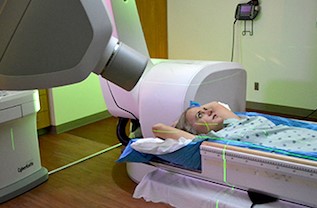
Radiation Oncology is a medical specialty focused on using targeted radiation to treat cancer. Through machines like linear accelerators or internal radiation techniques, high-energy beams are directed at cancer cells to:
Shrink tumors
Destroy cancerous tissue
Relieve symptoms like pain or bleeding
Prevent cancer from spreading
Radiation therapy can be used alone or combined with chemotherapy, surgery, or hormone therapy.
Why Seniors Often Need Radiation Therapy
As people age, the risk of developing cancers such as breast, prostate, lung, and colorectal cancer increases. Radiation therapy is often recommended for older adults because:
It is less invasive than surgery
Treatments are quick, often lasting only 10–20 minutes
It can be personalized to the patient’s age, health, and medical condition
Side effects can be manageable with proper support
For many seniors, radiation therapy becomes one of the safest and most effective treatment options.
Challenges Seniors Face During Radiation Treatment
While radiation is effective, seniors often experience difficulties that require extra care, including:
1. Fatigue
One of the most common side effects, fatigue can make daily tasks difficult.
2. Skin Reactions
Skin may become red, irritated, dry, or sensitive—similar to a sunburn.
3. Mobility Issues
Traveling to daily or weekly treatment appointments can be exhausting.
4. Nutrition Problems
Radiation may affect appetite, digestion, or the ability to maintain weight.
5. Emotional Stress
Fear, depression, and anxiety can rise during treatment.
6. Cognitive or Memory Issues
Remembering appointments or communicating symptoms may be challenging.
This is why consistent help, monitoring, and emotional support are crucial.
How Afair Healthcare Caregivers Support Seniors Undergoing Radiation Therapy
Afair Healthcare understands that cancer care requires not only medical attention but also compassionate hands-on support. Their caregivers are trained to help seniors maintain comfort, safety, and dignity throughout radiation treatment.
1. Transportation to and from Appointments
Radiation therapy often requires multiple visits weekly. Afair Healthcare ensures seniors arrive safely and on time, reducing the stress of transportation.
2. Monitoring Side Effects
Caregivers observe symptoms such as:
skin irritation
fatigue
appetite changes
pain
dizziness
They communicate concerns promptly to family members or healthcare providers.
3. Assistance with Daily Activities
During treatment, seniors may need additional help with:
bathing and grooming
dressing
meal preparation
light housekeeping
mobility
These services ensure seniors remain comfortable and safe at home.
4. Nutrition and Hydration Support
Radiation therapy can affect appetite. Caregivers help by:
preparing nutritious meals
encouraging hydration
monitoring weight changes
following dietary recommendations
5. Emotional Support and Companionship
Cancer can be emotionally draining. Caregivers provide:
companionship
conversation
reassurance
a comforting presence
This reduces isolation, fear, and depression.
6. Medication Reminders & Care Coordination
Caregivers ensure seniors take medications as prescribed and follow physician instructions.
7. Safety Monitoring
Caregivers watch for signs of weakness, falls, or changes in behavior—critical for seniors undergoing treatment.
Why We Need Awareness About Radiation Oncology for Seniors
Raising awareness is important because:
✔ Treatment Plans Must Be Senior-Friendly
Seniors often have multiple health conditions that must be considered when designing cancer care.
✔ Early Detection Improves Outcomes
The more people understand the symptoms and options, the sooner they seek care.
✔ Proper Support Makes Treatment Safer
Many seniors skip treatment because they lack transportation, caregiving, or emotional support. Awareness encourages families to seek help.
✔ Radiation Therapy is Often Misunderstood
Some seniors fear the word “radiation,” not knowing how safe and targeted modern treatments are.
✔ Caregivers Play a Critical Role
Caregiving ensures seniors complete treatment cycles successfully.
How Afair Healthcare Makes a Difference
Afair Healthcare is more than a home care service—it is a partner in health and healing. Whether a senior is newly diagnosed, undergoing treatment, or recovering, Afair Healthcare provides the essential support needed to maintain independence and hope.
With trained caregivers, personalized plans, and a compassionate approach, Afair Healthcare ensures seniors never face cancer treatment alone.
Final Thoughts
Radiation Oncology is a powerful tool in the fight against cancer, especially for aging adults. But treatment success depends not only on medical technology—but also on the care, comfort, and support provided along the way.
Afair Healthcare stands ready to support seniors with:
empathy
consistency
skilled caregiving
and genuine dedication
Because every senior deserves to feel safe, supported, and valued through their cancer journey.