Lung Cancer Awareness Month
A Guide for Patients and Families in Phoenix
Introduction
November is Lung Cancer Awareness Month, a crucial time to focus on a disease that is the leading cause of cancer death among both men and women in the United States. Here in Arizona, where our beautiful desert landscape invites an active outdoor lifestyle, a lung cancer diagnosis can feel particularly devastating. However, advancements in treatment and comprehensive support systems are offering more hope than ever before.
At Afair Healthcare, we are dedicated to empowering Phoenix-area families with the knowledge and support they need to navigate a lung cancer diagnosis. This guide provides essential information on prevention, symptoms, and the vital role of specialized in-home care.
Understanding Lung Cancer: The Arizona Snapshot
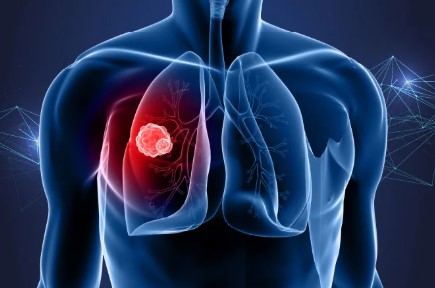
Lung cancer is a disease where cells in the lung tissue grow uncontrollably, forming tumors that can interfere with breathing and spread to other parts of the body. While smoking is the number one risk factor, it is not the only one.
> According to the American Cancer Society, there will be an estimated 4,560 new cases of lung cancer in Arizona in 2025 [1]. Importantly, as many as 20% of people who die from lung cancer in the United States have never smoked or used any other form of tobacco [2].
Key Risk Factors for Lung Cancer:
* Smoking: The leading cause, responsible for about 80% to 90% of lung cancer deaths.
* Radon Gas: A naturally occurring radioactive gas that can get trapped in homes and buildings. It is the second leading cause of lung cancer.
* Secondhand Smoke: Inhaling the smoke of others significantly increases risk.
* Occupational Exposures: Asbestos, uranium, and other carcinogens found in some workplaces.
* Air Pollution: Exposure to particle pollution in the air can increase the risk of lung cancer.
* Family History: A personal or family history of lung cancer can increase your risk.
Early Detection: The Key to Better Outcomes
Lung cancer often does not cause symptoms in its early stages, which makes early detection challenging but critically important. When symptoms do appear, they can include:
* A new cough that does not go away
* Coughing up blood, even a small amount
* Shortness of breath
* Chest pain
* Hoarseness
* Losing weight without trying
* Bone pain or headaches
For individuals at high risk, the American Cancer Society recommends yearly lung cancer screening with a low-dose CT scan (LDCT). If you are between 50 and 80 years old, have a 20 pack-year smoking history, and currently smoke or have quit within the past 15 years, talk to your doctor about whether screening is right for you. Several major hospitals in the Phoenix area, including the Mayo Clinic and Banner MD Anderson Cancer Center, offer lung cancer screening programs.
Navigating Treatment in Phoenix
Treatment for lung cancer depends on the type of cancer and how far it has spread. Common treatments include surgery, chemotherapy, radiation therapy, targeted therapy, and immunotherapy. These treatments, while effective, can cause significant side effects, such as fatigue, nausea, shortness of breath, and a weakened immune system.
Managing these side effects is crucial for maintaining quality of life. This is where professional in-home care becomes an invaluable part of the treatment plan.
The Role of Specialized In-Home Care for Lung Cancer Patients
Recovering from lung cancer treatment and managing the symptoms of the disease requires a supportive and comfortable environment. In-home oncology care allows patients to remain in the familiar surroundings of their home while receiving the specialized support they need.
**How In-Home Care Can Help:**
* Symptom Management: Assisting with breathing exercises, monitoring oxygen levels, and managing pain or discomfort.
* Medication Reminders: Ensuring complex medication schedules are followed accurately.
* Nutritional Support: Preparing healthy meals to maintain strength and combat weight loss.
* Personal Care: Assisting with daily activities like bathing and dressing, which can be exhausting for someone with shortness of breath.
* Transportation to Appointments: Providing safe and reliable transportation to and from treatment centers in Phoenix, Scottsdale, and beyond.
* Emotional Support and Companionship: Being a comforting presence to reduce feelings of isolation and anxiety.
At Afair Healthcare, our caregivers are specially trained to understand the unique needs of lung cancer patients. From managing oxygen equipment to providing compassionate companionship, our goal is to improve the quality of life for our clients and bring peace of mind to their families.
Take Action This November
This Lung Cancer Awareness Month, take a proactive step for your health or the health of a loved one:
1. Assess Your Risk: Understand your personal risk factors for lung cancer.
2. Talk to Your Doctor: If you are at high risk, discuss lung cancer screening.
3. Create a Healthy Home: Test your home for radon and ensure it is a smoke-free environment.
4. Support a Loved One: If you know someone battling lung cancer, offer your support, a listening ear, or a helping hand.
Lung cancer is a formidable opponent, but with early detection, advanced treatments, and compassionate support, more people in Phoenix are living longer, fuller lives with the disease.
If your family is navigating a lung cancer diagnosis in the Phoenix metropolitan area, you don’t have to do it alone. Afair Healthcare provides specialized, compassionate in-home care to support you every step of the way. Contact us today at (220) 299-1400 for a free, no-obligation consultation to learn how we can help.
### References
[1] American Cancer Society. (2025). Cancer Facts & Figures 2025. [https://www.cancer.org/research/cancer-facts-statistics/all-cancer-facts-figures/2025-cancer-facts-figures.html](https://www.cancer.org/research/cancer-facts-statistics/all-cancer-facts-figures/2025-cancer-facts-figures.html)
[2] American Cancer Society. (2023). Health Risks of Smoking Tobacco. [https://www.cancer.org/healthy/stay-away-from-tobacco/health-risks-of-tobacco/health-risks-of-smoking-tobacco.html](https://www.cancer.org/healthy/stay-away-from-tobacco/health-risks-of-tobacco/health-risks-of-smoking-tobacco.html)