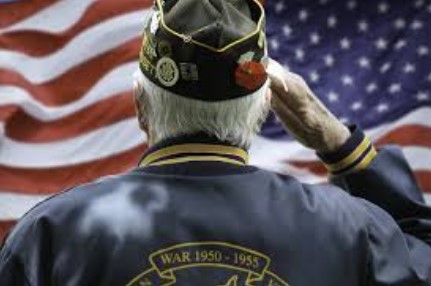
Honoring and Caring for Retired Veterans
Honoring and Caring for Retired Veterans: A Complete Guide for Seniors
Introduction
Retirement is a milestone that brings both reflection and new challenges—especially for our nation’s veterans. Many seniors who have served in the military carry unique physical, emotional, and mental health needs shaped by their service. Ensuring their well-being in later years is not only a matter of respect but also essential for their quality of life.
As we honor their service, it’s important to raise awareness about the specific challenges veterans face as seniors and how compassionate, professional caregivers can make a real difference.
Why Veteran Health Awareness Matters for Seniors
Veterans often face a range of health concerns that may differ from the general senior population. Many retirees have endured rigorous physical activity, injuries, or exposure to environments that can affect long-term health. Additionally, veterans may experience emotional and mental health challenges, including post-traumatic stress, anxiety, or depression.
Raising awareness matters because:
It ensures veterans receive specialized care tailored to their experiences
Families and caregivers understand how to support veterans effectively
Early attention to health issues improves quality of life and independence
It honors the service and sacrifices these individuals have made
Common Health Challenges Retired Veterans May Face
1. Physical Health Concerns
Chronic pain from injuries or joint issues
Mobility challenges due to age or service-related conditions
Cardiovascular health concerns
Diabetes or other chronic illnesses
2. Mental Health and Emotional Well-Being
Post-Traumatic Stress Disorder (PTSD)
Anxiety or depression
Adjustment difficulties transitioning from active service to civilian life
Social isolation, especially after retirement
3. Cognitive Health
Memory loss, mild cognitive impairment, or dementia may appear in later years
Veterans who experienced head injuries may be at higher risk for cognitive decline
4. Accessibility & Daily Living Needs
Difficulty performing everyday tasks due to physical limitations
Need for assistance with medications, nutrition, mobility, and personal care
Steps to Support Retired Veterans’ Health and Well-Being
Regular Medical Checkups and Screenings
Routine visits with healthcare providers to monitor physical and mental health
Specialized screenings for conditions common among veterans
Mental Health Support
Counseling, therapy, or support groups can help manage stress, PTSD, and emotional challenges
Healthy Lifestyle Habits
Balanced nutrition and hydration
Regular exercise tailored to ability
Cognitive stimulation through hobbies, reading, and social engagement
Social Connection
Maintaining friendships and connecting with veteran communities reduces isolation
Activities like volunteering, clubs, or senior centers offer purpose and camaraderie
Assistance With Daily Living
Ensuring safety, independence, and comfort at home
How Afair Healthcare Caregivers Support Retired Veterans
Afair Healthcare caregivers understand that veterans deserve personalized care that respects their service, independence, and dignity.
1. Companionship and Emotional Support
Veterans often benefit from social interaction and someone to talk to.
Caregivers provide friendship, conversation, and emotional reassurance.
2. Assistance With Daily Tasks
Helping seniors with bathing, grooming, dressing, mobility, and household chores
Ensuring that daily routines are manageable and stress-free
3. Medication Management and Health Monitoring
Caregivers help track medications, monitor blood pressure, glucose, and other vital signs
They communicate changes or concerns to family or healthcare providers promptly
4. Mobility and Fall Prevention
Ensuring safe movement within the home
Supporting exercises that improve balance and strength
5. Transportation and Appointment Support
Helping veterans attend medical appointments, therapy sessions, and social engagements
Ensuring seniors stay active and engaged with their communities
6. Cognitive and Mental Engagement
Encouraging activities that stimulate the mind
Supporting hobbies, games, reading, or discussions that bring enjoyment and purpose
7. Respect for Service and Individual Preferences
Afair Healthcare caregivers honor each veteran’s history and experiences
Care is personalized to match preferences, routines, and lifestyle
Why We Need to Be Aware of Veteran Seniors’ Needs
Veterans have unique life experiences that shape their needs in retirement. Awareness ensures:
They receive the specialized care and attention they deserve
Families are educated about common health and emotional challenges
Communities recognize and celebrate the contributions of seniors who served
Caregivers can provide the right support, creating safer, happier, and more independent living
By paying attention to the physical, emotional, and mental well-being of retired veterans, we honor their service while helping them thrive in their golden years.
Final Thoughts
Caring for retired veterans is more than a responsibility—it’s a privilege. By combining family involvement, healthcare guidance, and compassionate support from Afair Healthcare caregivers, seniors can maintain their independence, dignity, and quality of life.
Afair Healthcare is proud to support veterans and their families, offering personalized care that ensures seniors feel safe, valued, and empowered every day.
Every veteran deserves respect, attention, and support in their senior years. Together, we can honor their service by providing care that strengthens their lives and well-being.