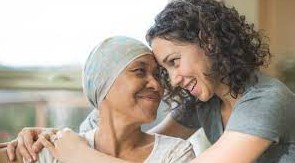
Breast Cancer Awareness for Seniors
Support Older Adults on Their Journey with Breast Cancer
Introduction
Breast cancer is one of the most common cancers affecting women—and while it impacts people of all ages, the risk increases significantly as women grow older. Most breast cancer diagnoses occur in women over the age of 60, making awareness and early detection especially important for seniors and their families.
For many older adults, breast cancer becomes more challenging due to age-related health changes, limited mobility, and the emotional weight of managing a chronic illness. Understanding how to support senior cancer patients can improve their comfort, independence, and overall quality of life.
This blog explores the importance of breast cancer awareness for seniors, the unique challenges they face, and how Afair Healthcare caregivers provide essential support through compassionate, personalized care.
Why Breast Cancer Awareness Matters for Seniors
Breast cancer does not discriminate by age, but older adults face increased vulnerability. Raising awareness allows families, caregivers, and communities to:
Recognize early warning signs
Encourage regular screenings
Support seniors emotionally and physically
Ensure timely treatment and follow-up
As seniors age, factors such as weakened immunity, chronic illness, and slower recovery times can affect cancer treatment and outcomes. Early detection saves lives—especially in the senior population.
Common Risk Factors for Breast Cancer in Seniors
While aging is the biggest risk factor, several other conditions and life experiences increase breast cancer risk in older adults:
Family history or genetic predisposition
Hormone replacement therapy
Obesity or lack of physical activity
Long-term exposure to estrogen
Previous cancer diagnosis
Understanding these risk factors helps families stay proactive about screening and overall health.
Signs and Symptoms Seniors Should Watch For
Breast cancer symptoms can vary, and some seniors may overlook changes because of age-related health concerns. It’s important to pay attention to:
New lumps or thickening in the breast or underarm
Swelling, redness, or changes in breast size
Nipple discharge or inversion
Persistent breast pain
Skin texture changes (dimpling, puckering, rash-like appearance)
Any noticeable change should be evaluated by a healthcare professional right away.
Breast Cancer Challenges Specific to Seniors
1. Slower Physical Recovery
Older adults may heal more slowly after surgery or treatments such as chemotherapy and radiation.
2. Managing Multiple Conditions
Many seniors have coexisting illnesses—diabetes, heart disease, arthritis—that complicate cancer treatment.
3. Mobility Limitations
Pain, weakness, or fatigue from treatment can make bathing, dressing, or moving around difficult.
4. Emotional Strain
Seniors may feel fear, anxiety, or loneliness throughout diagnosis and treatment—especially if they live alone.
5. Higher Risk of Treatment Side Effects
Fatigue, nausea, appetite loss, weakness, and dehydration may occur more frequently in older adults.
These challenges make caregiving and support even more essential.
How Afair Healthcare Caregivers Support Seniors With Breast Cancer
Afair Healthcare understands the emotional, physical, and daily challenges that seniors with cancer face. Our caregivers provide compassionate, personalized support that helps older adults feel safe, comforted, and empowered throughout their cancer journey.
1. Support With Daily Activities
Cancer treatment can make everyday tasks overwhelming. Afair caregivers assist with:
Bathing, grooming, and dressing
Mobility, toileting, and fall prevention
Meal preparation and hydration
Light housekeeping for a clean, peaceful home
This support helps seniors conserve energy and maintain dignity.
2. Transportation to Treatments & Appointments
Reliable transportation is essential for:
Chemotherapy
Radiation therapy
Follow-up checkups
Medication management visits
Caregivers ensure seniors arrive safely, on time, and with support throughout the appointment.
3. Emotional Companionship
A cancer diagnosis can feel isolating. Afair caregivers provide:
A listening ear
Encouragement and reassurance
Emotional comfort during challenging days
They offer stability, companionship, and genuine human connection.
4. Medication Reminders & Symptom Monitoring
Treatment often comes with strict schedules and detailed instructions. Caregivers help seniors:
Stay on track with medications
Monitor for side effects
Track changes in appetite, pain, or mood
Communicate concerns to families or medical teams
This helps ensure seniors receive timely and appropriate care.
5. Nutrition & Hydration Support
Treatment can decrease appetite and energy levels. Afair caregivers assist with:
Preparing nutritious meals
Encouraging hydration
Adapting meals to meet dietary needs
Proper nutrition helps improve strength and healing.
6. Comfort During Treatment Recovery
Caregivers provide gentle support to help seniors manage:
Fatigue
Weakness
Nausea
Pain
Emotional ups and downs
Comfort care can make a big difference in morale and recovery.
7. Maintaining Normalcy & Independence
Afair Healthcare supports seniors in living life on their own terms—participating in activities they enjoy, staying connected, and remaining empowered.
Why Awareness Is Important in Caring for Seniors With Cancer
Breast cancer awareness helps families, caregivers, and communities:
✔ Notice symptoms early
Early detection leads to easier treatment and better outcomes.
✔ Understand treatment needs
Awareness guides families on how to support their loved one’s physical and emotional needs.
✔ Reduce stigma and fear
Talking openly about cancer helps seniors feel supported—not alone.
✔ Encourage proactive healthcare
Routine screenings and follow-ups are essential for senior health.
✔ Improve quality of life
Supportive care reduces stress and boosts emotional well-being.
With awareness and proper caregiving, seniors can navigate breast cancer with greater comfort, confidence, and peace of mind.
Final Thoughts
Breast cancer is a difficult journey, especially for seniors who may already be facing mobility challenges, chronic illness, or emotional strain. However, with early detection, proper care, and a strong support system, seniors can maintain comfort, dignity, and hope.
Afair Healthcare caregivers are committed to walking alongside seniors through every step of their cancer journey—providing physical support, emotional companionship, and personalized care that enhances quality of life.
By raising awareness and ensuring compassionate care, we help honor and support the seniors who deserve love, strength, and understanding every day.