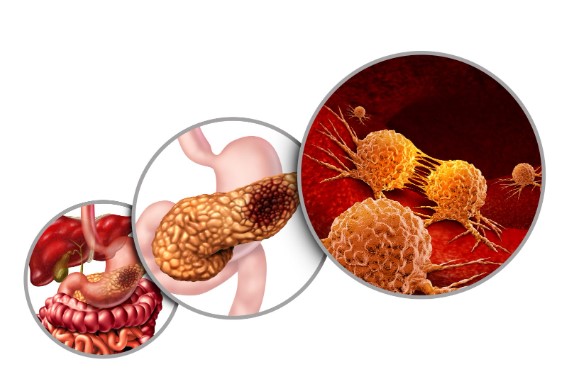
A Silent Battle
The Importance of Specialized Home Care for Pancreatic Cancer in Phoenix
Introduction
As November unfolds, bringing with it a focus on Pancreatic Cancer Awareness Month, it is a time to shed light on one of the most challenging cancer diagnoses a family can face. Pancreatic cancer is often called a "silent" disease because its symptoms are subtle and non-specific, frequently leading to a diagnosis at a later, more advanced stage. For families in Phoenix and across Arizona, receiving this news is life-altering.
At Afair Healthcare, we understand the profound physical and emotional toll of pancreatic cancer. The journey requires a unique and highly specialized level of support. This article explores why professional in-home care is not just a convenience, but a critical component of managing pancreatic cancer and preserving quality of life.
The Unique Challenges of Pancreatic Cancer
Pancreatic cancer presents a distinct set of challenges that differ from many other cancers. The pancreas is an organ deep within the abdomen that plays a vital role in digestion and blood sugar regulation. When cancer develops here, it can lead to a cascade of complex symptoms.
> According to the American Cancer Society, pancreatic cancer accounts for about 3% of all cancers in the US and about 7% of all cancer deaths [1]. Its five-year survival rate is tragically low, underscoring the need for immediate and comprehensive supportive care from the moment of diagnosis.
Common Symptoms and Complications:
* Significant Pain: Tumors can press on nerves, causing severe abdominal or back pain.
* Digestive Issues: The cancer can block the flow of bile, leading to jaundice (yellowing of the skin and eyes), nausea, and poor appetite.
* Rapid Weight Loss and Malnutrition: Difficulty digesting food and loss of appetite often lead to a condition called cancer cachexia, a severe wasting of muscle and fat.
* Diabetes: The cancer can interfere with the pancreas’s ability to produce insulin, leading to new-onset or worsening diabetes.
* Extreme Fatigue: The physical toll of the disease and its treatments can cause profound exhaustion.
Managing these symptoms requires a coordinated, multi-faceted approach that goes beyond medical treatment. It requires a focus on comfort, dignity, and holistic well-being—all of which can be best achieved in the sanctuary of one’s own home.
Why Specialized In-Home Care is Essential
Given the complexity of pancreatic cancer, generic home care is not enough. Patients need caregivers who are trained and experienced in the specific nuances of this disease. Specialized oncology home care provides a level of support that is tailored to the patient’s precise needs.
**Key Benefits of Specialized Pancreatic Cancer Home Care: **
1. Expert Pain Management Support: While caregivers do not administer medications, they play a crucial role in ensuring patients take their prescribed pain relief on schedule, monitoring for side effects, and communicating effectively with the medical team. They can also assist with non-medical comfort measures like positioning and relaxation techniques.
2. Advanced Nutritional Support: Managing nutrition is one of the biggest battles in pancreatic cancer. Trained caregivers can prepare small, frequent, nutrient-dense meals that are easier to digest. They can help manage nausea and encourage eating, which is vital for maintaining strength and tolerating treatment.
3. Symptom Monitoring and Reporting: A professional caregiver is trained to recognize subtle changes in a patient’s condition—such as worsening jaundice, increased pain, or signs of dehydration—and report them to the family and hospice/palliative team immediately. This proactive monitoring can prevent crises and hospitalizations.
4. Assistance with Daily Living: The profound fatigue associated with pancreatic cancer can make even the simplest tasks, like bathing or dressing, feel monumental. A caregiver provides dignified, respectful assistance, preserving the patient’s energy for what matters most: spending time with loved ones.
5. Emotional and Companionship Support: Living with a difficult diagnosis can be incredibly isolating. A compassionate caregiver provides companionship, a listening ear, and a comforting presence, which can significantly improve a patient’s emotional and mental well-being.
Palliative and Hospice Care at Home
For many pancreatic cancer patients, the focus of care eventually shifts from curative treatment to palliative care, which aims to provide relief from the symptoms and stress of the illness. The goal is to improve quality of life for both the patient and the family.
**Palliative care can and should be started at the time of diagnosis, not just at the end of life.**
As the disease progresses, hospice care may become the most compassionate choice. Hospice focuses on comfort and quality of life when a cure is no longer possible. Both palliative and hospice care can be provided most effectively at home, where the patient feels safest and most comfortable. Afair Healthcare works seamlessly alongside Phoenix-area hospice and palliative care agencies to provide a cohesive circle of support for our clients.
Finding Hope and Comfort in Phoenix
Even with a difficult diagnosis like pancreatic cancer, there is always room for hope—hope for comfort, hope for dignity, and hope for meaningful moments with family. The right support system can make all the difference.
If you are a family in Phoenix, Scottsdale, or the surrounding communities facing this journey, know that you are not alone. Resources like the Pancreatic Cancer Action Network (PanCAN) offer patient services, support groups, and local resources in Arizona [2].
Choosing to bring in specialized in-home care is one of the most powerful decisions you can make to ensure your loved one’s comfort and dignity. It is an act of love that provides them with the expert care they need, and you with the peace of mind you deserve.
---
**If you are caring for a loved one with pancreatic cancer in the Phoenix area, you need a team that understands the complexities of this disease. Contact Afair Healthcare today at (220) 299-1400 for a free, confidential consultation to learn how our specialized oncology caregivers can provide the expert support and compassionate care your family needs.**
References
[1] American Cancer Society. (2025). Key Statistics for Pancreatic Cancer. [https://www.cancer.org/cancer/pancreatic-cancer/about/key-statistics.html](https://www.cancer.org/cancer/pancreatic-cancer/about/key-statistics.html)
[2] Pancreatic Cancer Action Network (PanCAN). Patient Services. [https://pancan.org/facing-pancreatic-cancer/patient-services/](https://pancan.org/facing-pancreatic-cancer/patient-services/)